LEARNING CENTRE
History, identification, treatments, and care — everything a collector should know before acquiring a stone.
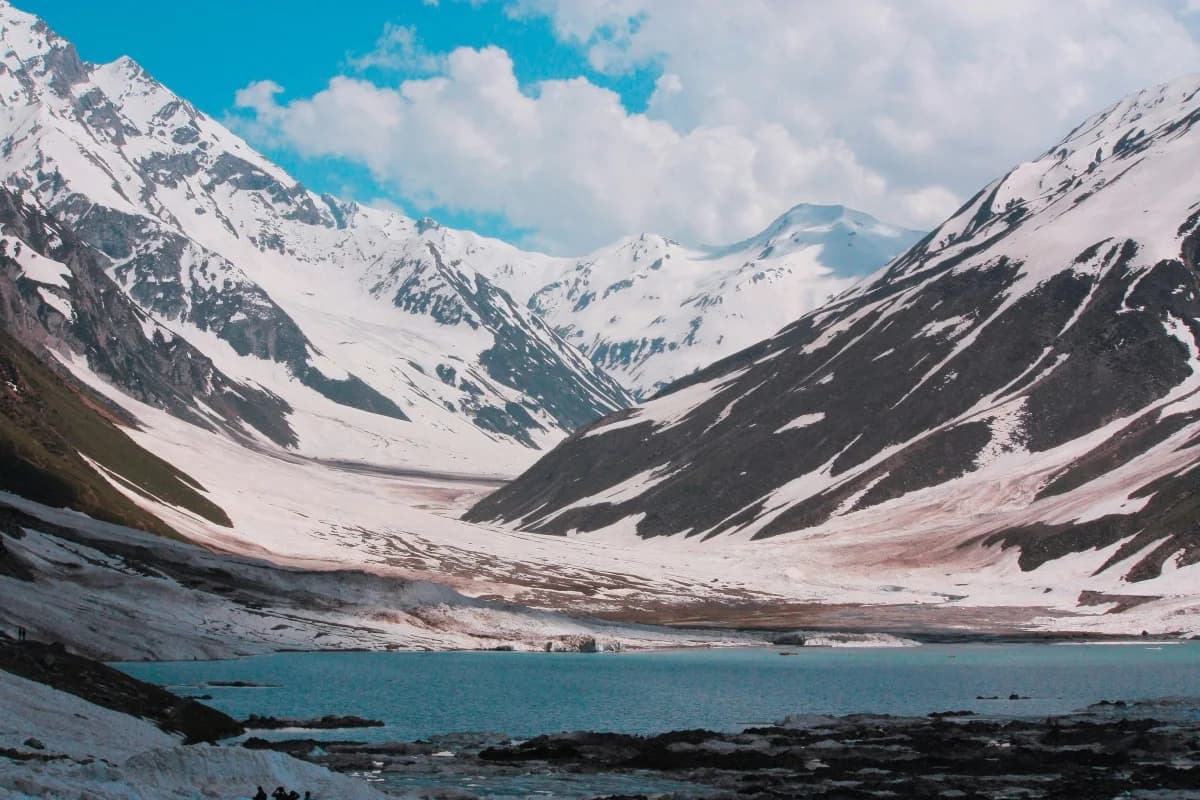
The Sapat Valley deposit put Pakistan on the map for peridot — producing clean, well-coloured crystals large enough to rival the classic Red Sea and Arizona sources.
Read the article →
Fine aquamarine from the Shigar Valley and its side valleys in Skardu District — a pegmatite deposit known in the trade for exceptionally large, clean crystals.
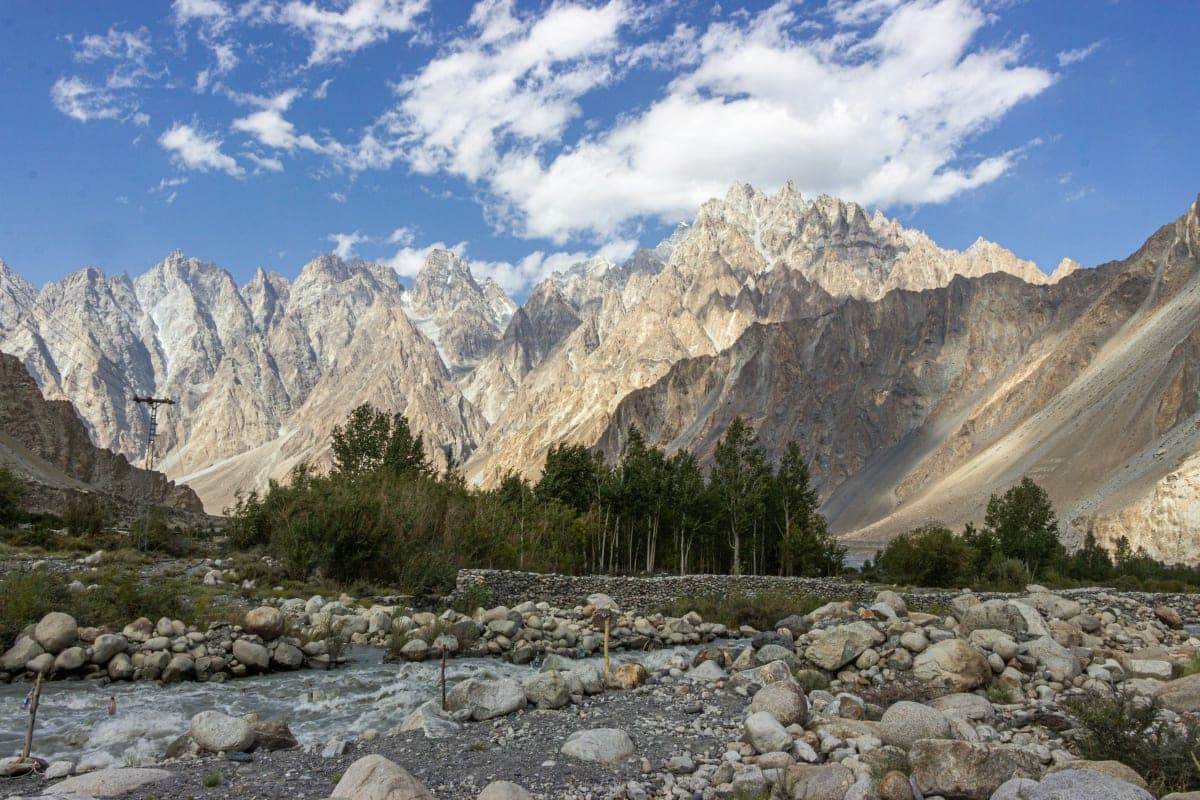
A small, genuinely rare ruby deposit in Gilgit-Baltistan — sharing its geology with Mogok, not its output. What marble-hosted ruby actually looks like, and why it fluoresces.
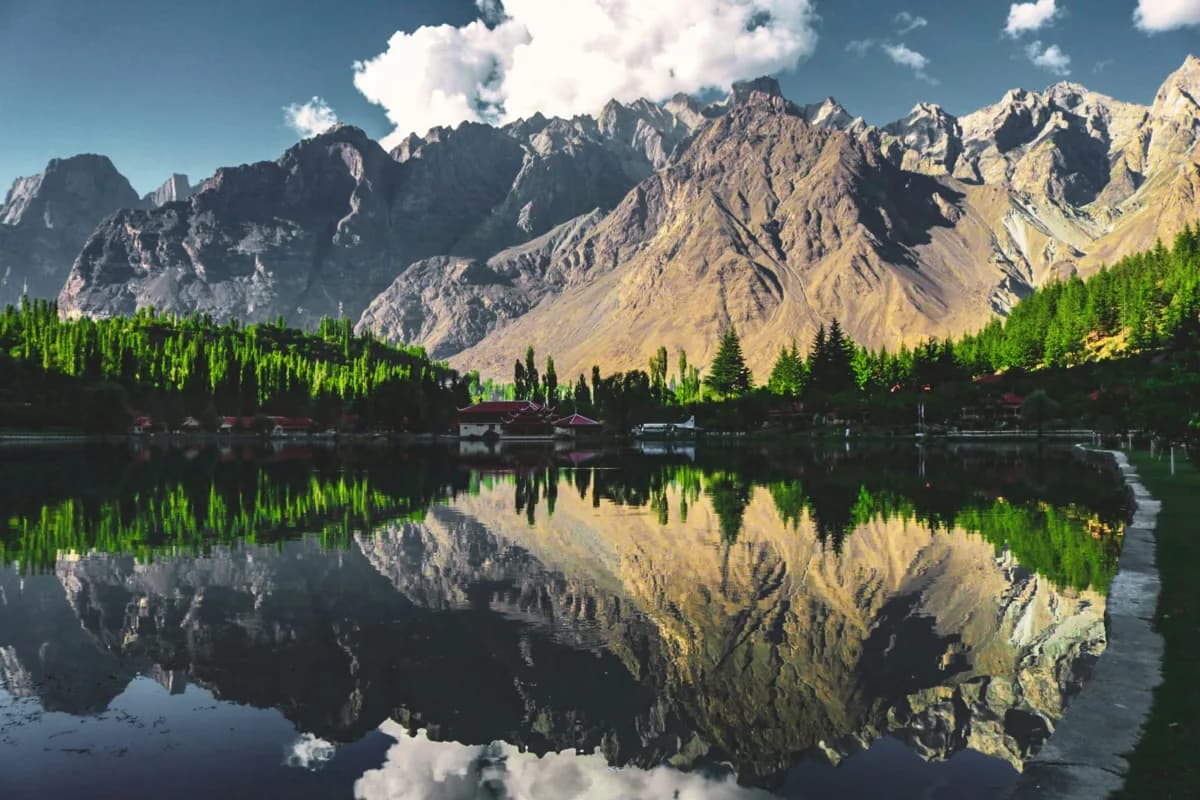
A region-by-region guide to Pakistan's gem-bearing valleys — what each produces, why the geology differs from one range to the next, and how much an origin claim is actually worth.
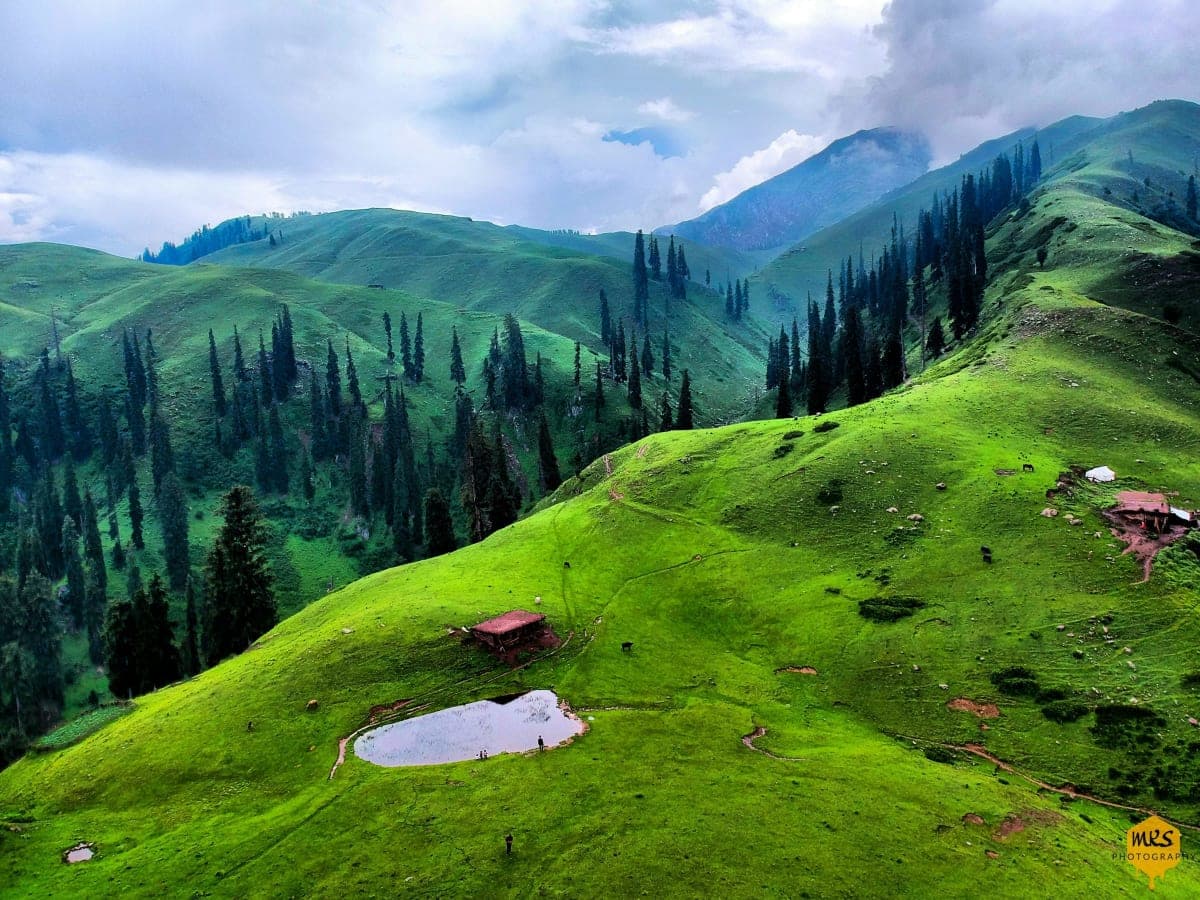
The Mingora deposit, why schist-hosted emerald differs from Colombian, and how to tell Swat material apart by its inclusions rather than its colour.
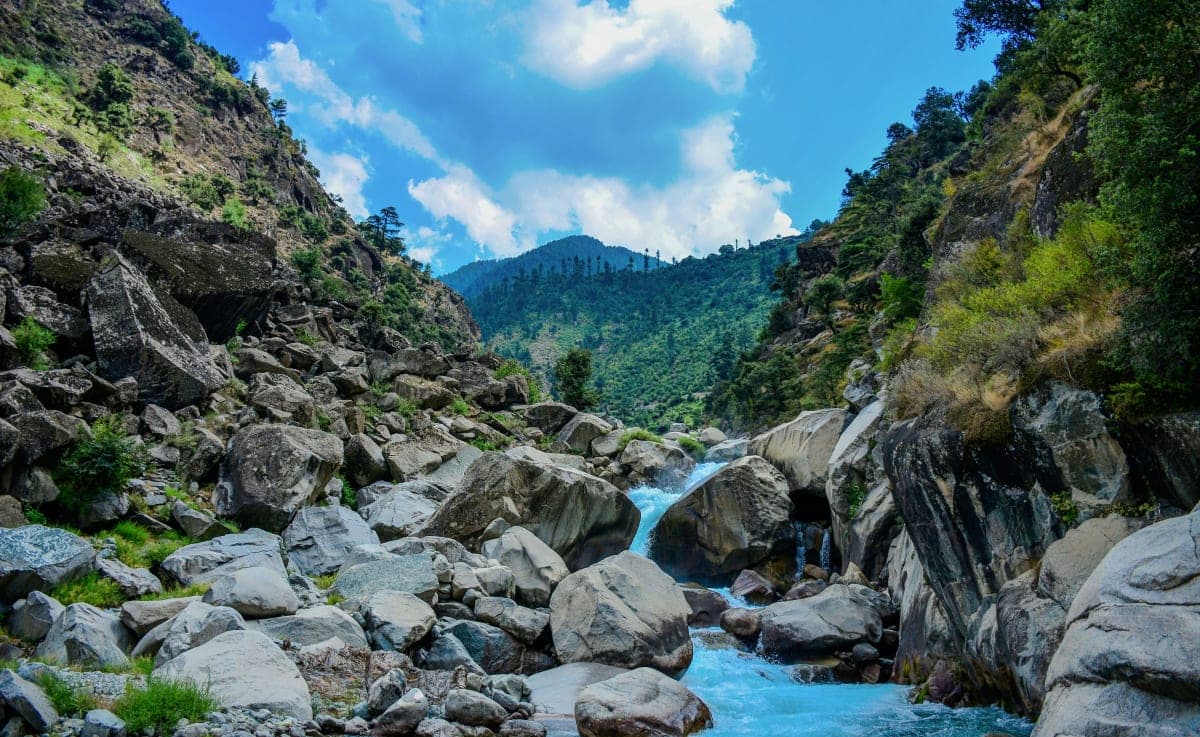
Most pink topaz on the market started out brown and was heated. Katlang, in Mardan District, is one of the few places on earth where it comes out of the ground pink.
Two of the most prized sapphire origins produce very different stones — here's what actually separates a Kashmir sapphire from a Ceylon.
Copper-bearing Paraíba tourmaline redefined what the gem could be — and Mozambique's deposits are why most examples on the market today come from Africa, not Brazil.
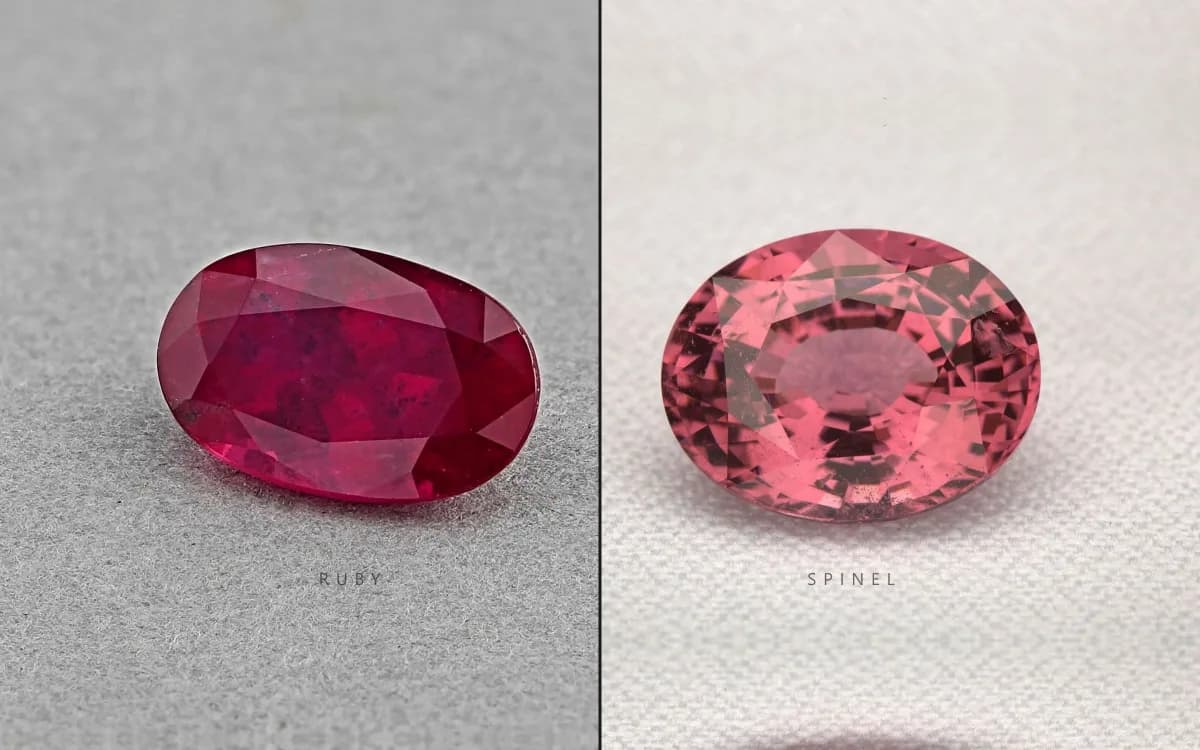
Two red gems that can look identical face-up — and the simple tests that tell them apart in seconds.
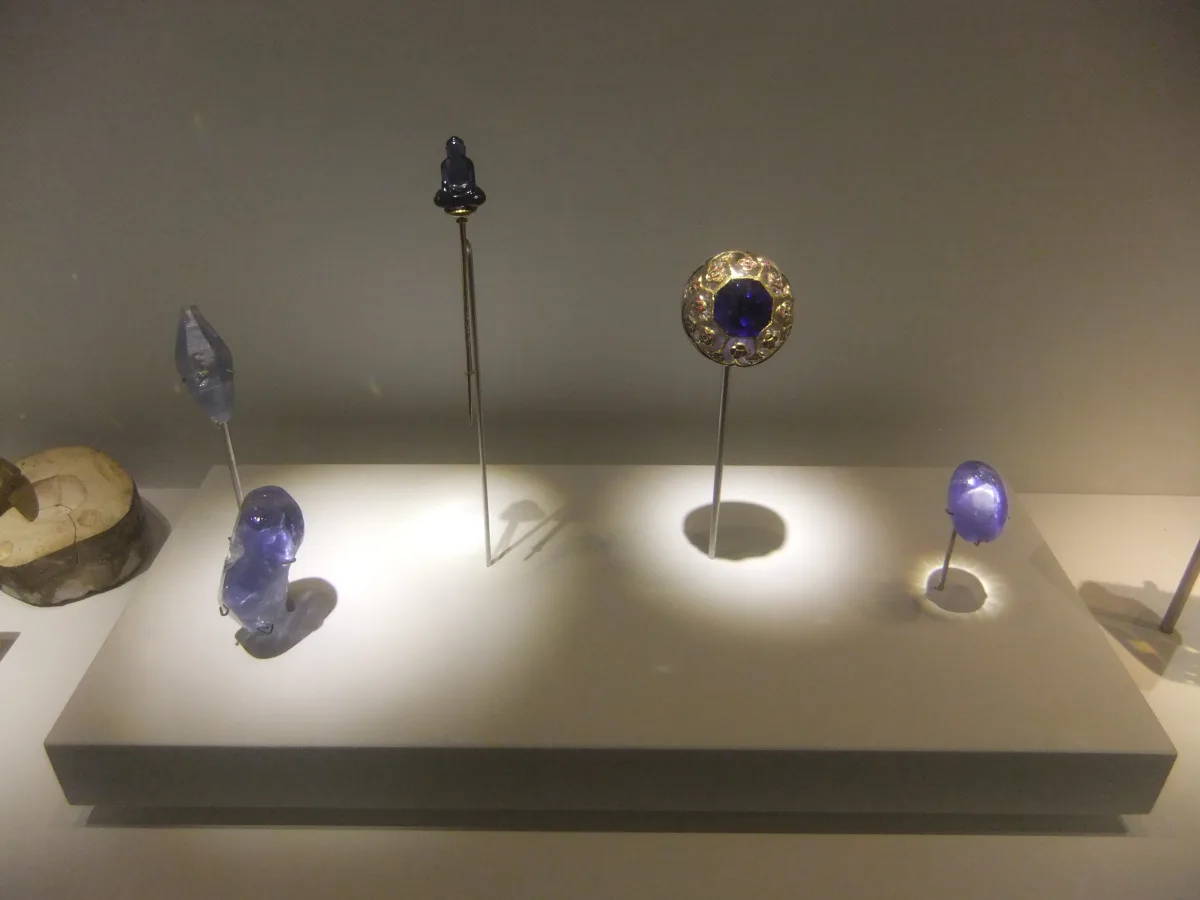
What each section of a gemological report actually tells you before you buy.
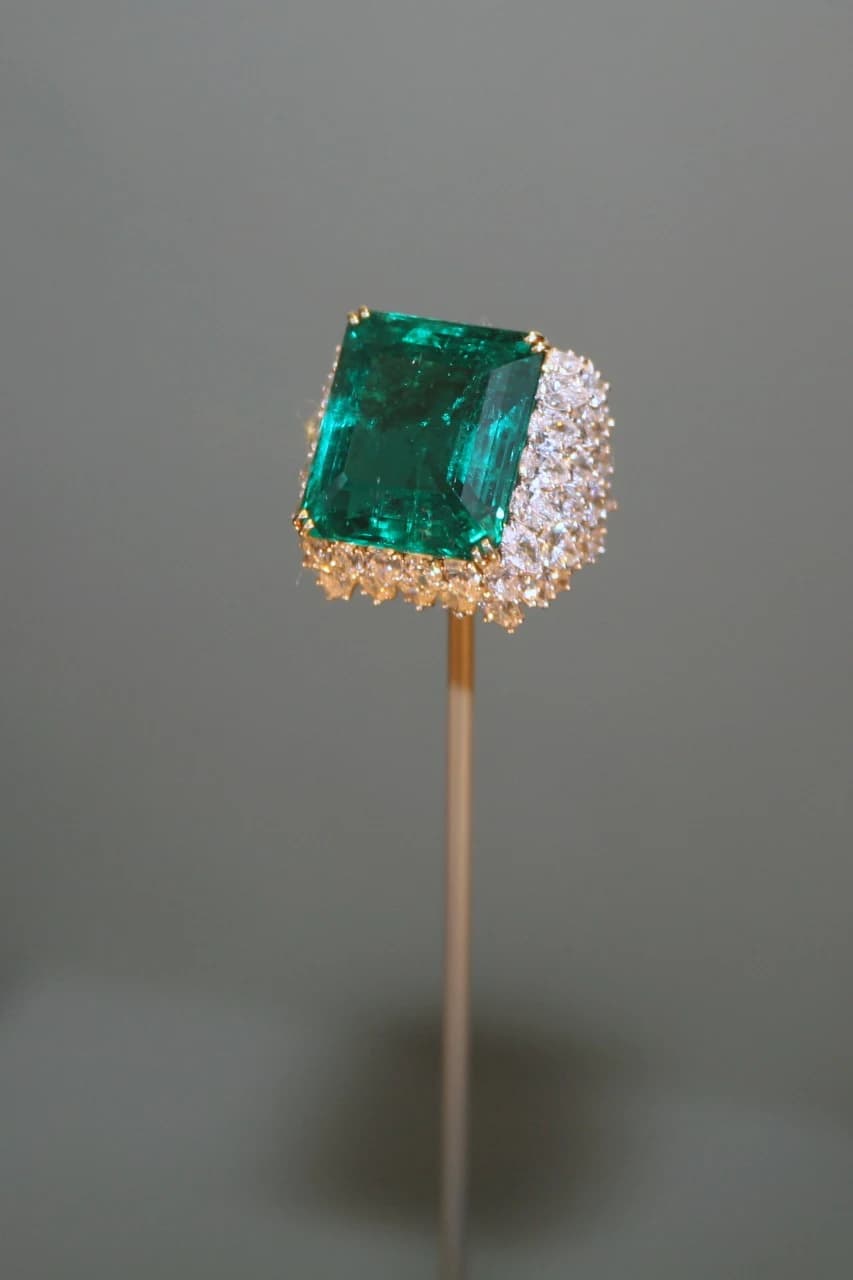
Why almost every natural emerald is oiled, how labs grade it, and what that means for care and price.
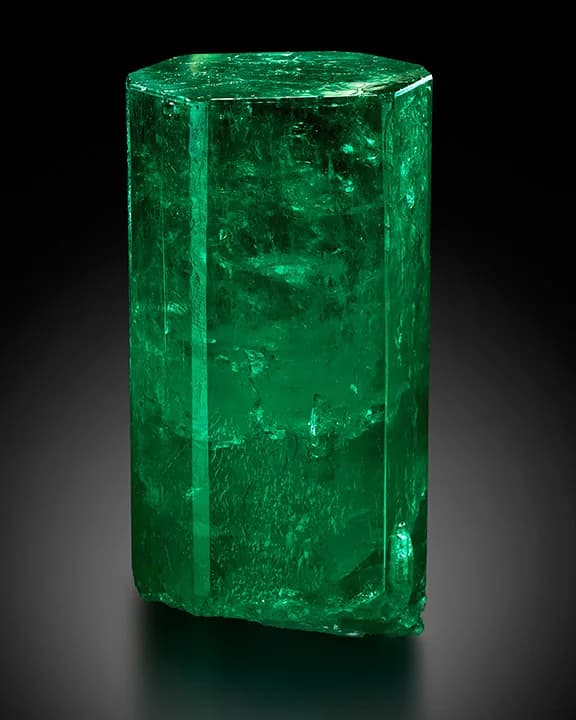
History, sources, formation, identification, treatment, and care for the world's most storied green gemstone.
 CRAFTS AND STONE