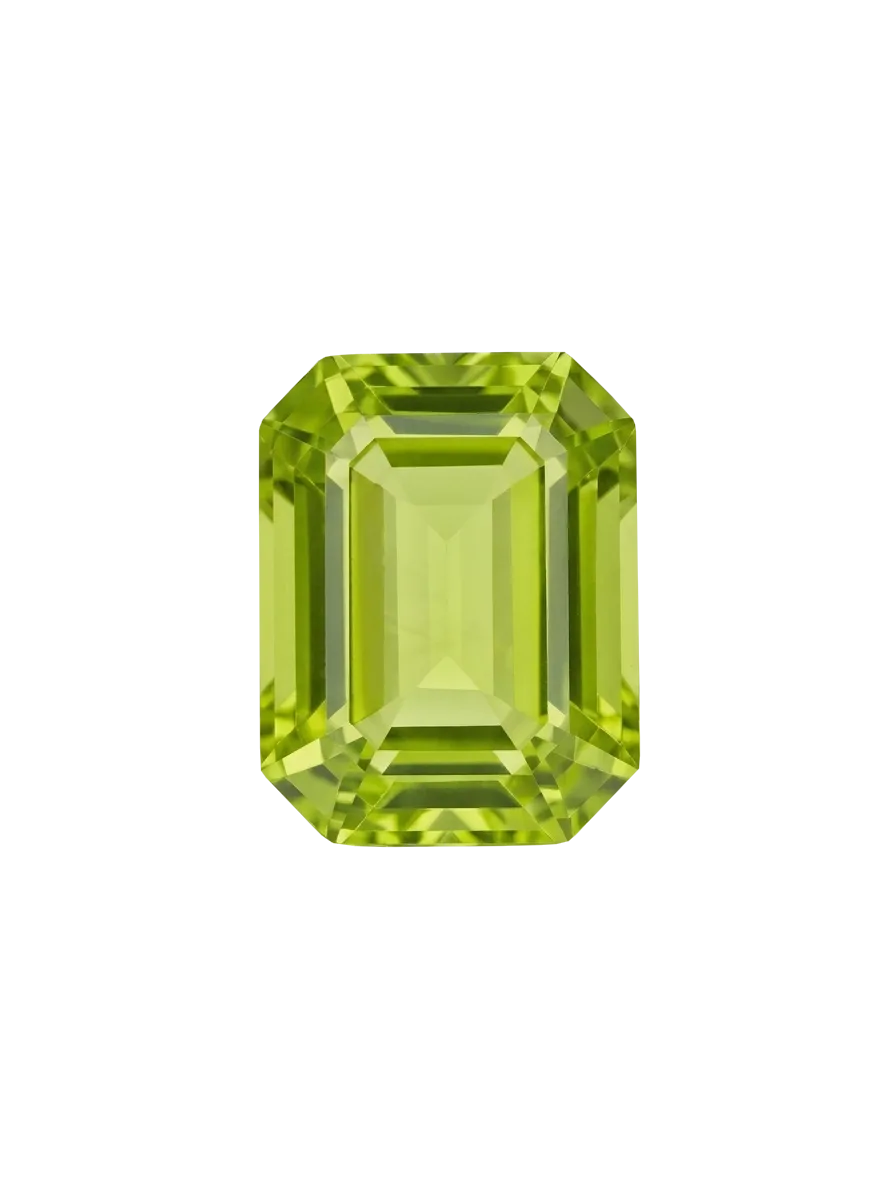
 CRAFTS AND STONE
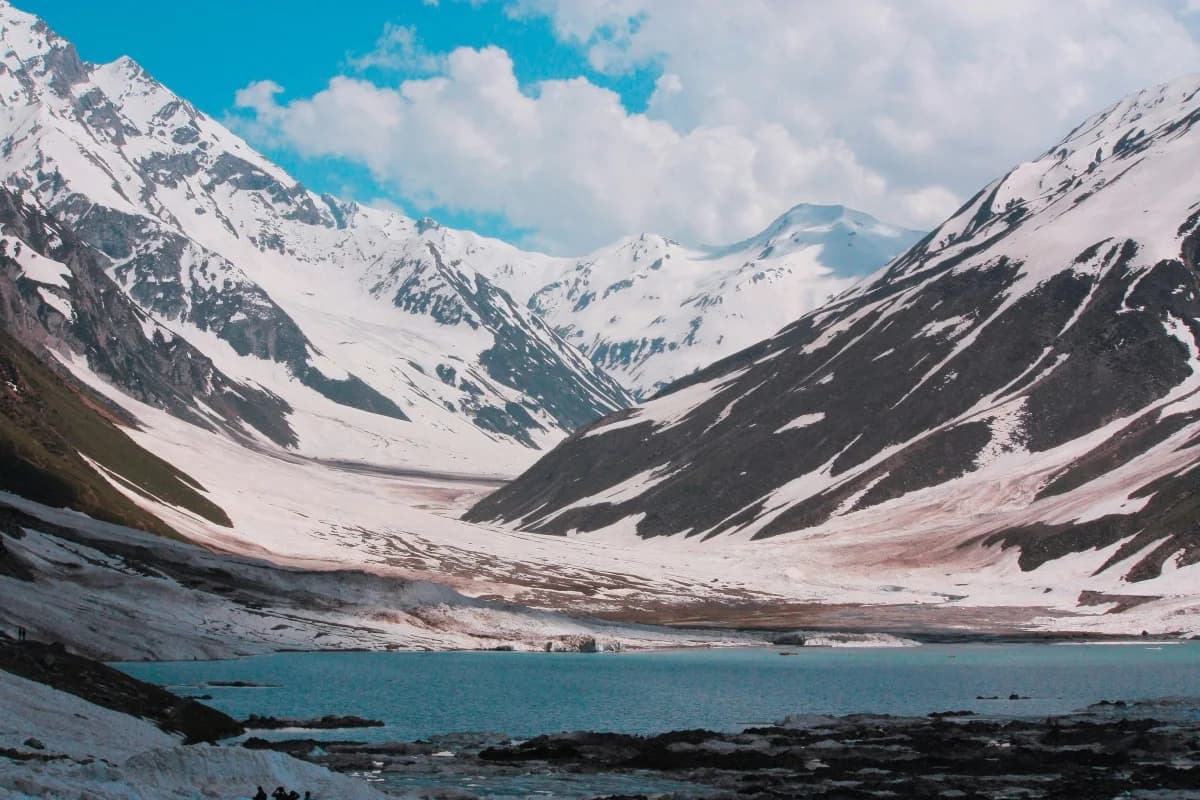
Where It Comes From
Kohistan's peridot comes from the Sapat Valley (also written Supat), high in Kohistan District, Khyber Pakhtunkhwa. The deposit came to international attention in the 1990s and quickly became one of the significant peridot sources worldwide, discussed alongside Zabargad Island in Egypt's Red Sea and the San Carlos deposit in Arizona — the two localities peridot has traditionally been judged against.
The Deposit Type
Peridot is gem-quality olivine, and it forms in ultramafic rock — material derived from the earth's mantle, unusually rich in magnesium and iron and correspondingly poor in silica. The Sapat deposit occurs in a metamorphosed ultramafic body, altered peridotite or dunite, emplaced along the same tectonic suture responsible for most of Pakistan's gem localities.
What Gives Peridot Its Colour
Peridot is one of the few gemstones that occurs in essentially one colour family: yellowish-green to green, caused by iron in the olivine structure itself rather than a trace impurity. There is no colourless or blue peridot to speak of — the iron that produces the colour is part of what the mineral is.
Size — A Genuine Distinction
Sapat's reputation rests specifically on producing unusually large, clean crystals for a species that is typically found in small sizes elsewhere. Faceted stones in the tens of carats, with good clarity and strong colour, have come from this deposit in numbers that few peridot sources can match — the trait that put Kohistan peridot in the same conversation as the historic Zabargad material.
Optical and Physical Properties
Refractive index runs approximately 1.654 to 1.690, specific gravity around 3.34, and hardness 6.5 to 7 on the Mohs scale. Peridot's birefringence is unusually high for a gemstone, and in larger stones this produces visible doubling of the back facet edges when viewed face-up through the table — a genuine identifying feature, not a flaw.
Treatment
Peridot is essentially always untreated. Unlike ruby, sapphire, emerald or topaz, there is no standard heat or fracture-filling treatment applied to peridot in the trade — what you see is close to what came out of the ground, which makes it one of the more straightforward gemstones to buy with confidence.
Identification
Peridot's strong double refraction, distinctive yellow-green colour, and relatively low hardness distinguish it from other green stones fairly readily in a lab setting. It is occasionally confused at a glance with green tourmaline or chrysoberyl, but refractive index and the doubling effect separate them without difficulty.
Durability and Care
At 6.5 to 7 on the Mohs scale, peridot is softer than the more common ring stones and can be scratched by everyday contact with harder materials. It is also sensitive to sudden temperature changes and to some household chemicals and acids over prolonged exposure. Clean with lukewarm water and a soft cloth; avoid ultrasonic cleaners, steam, and prolonged sun exposure, and treat it more like a specimen than a hardened daily-wear stone.
Mining Reality
Sapat sits at high altitude with a short working season, and mining is small-scale and artisanal. Output has never been continuous, and the finest large, clean crystals that built the locality's reputation represent the better end of what the deposit produces rather than the everyday norm.
Grading
Peridot is graded on colour saturation first — the strongest, purest green commanding the best prices — followed by clarity and size. Because the species is untreated as a rule, grading here is a more direct read of the stone itself than it is for gems where treatment level also has to be factored in.
Comparison with Other Peridot Sources
Zabargad's historic material, largely exhausted as a commercial source, set the benchmark for fine peridot for over a century. San Carlos in Arizona has supplied the bulk of the world's commercial peridot in more recent decades, generally in smaller sizes. Kohistan's contribution has been size and clarity at a scale closer to Zabargad's reputation than to San Carlos's typical output — a genuinely distinct position in the market rather than just another source of the same material.
Pricing
Peridot as a species is moderately priced compared to ruby, sapphire or emerald, but large, clean, strongly coloured Kohistan stones are a real exception — sizeable fine examples can command prices well above what buyers expect for the species, precisely because that combination is uncommon.
Common Misconceptions
That peridot is a minor or inexpensive gem across the board: true for small, ordinary material, but not for fine large Kohistan stones. That any treatment could improve a peridot: there is no accepted treatment for the species, so an untreated claim here isn't a selling point so much as the baseline expectation. That the visible doubling in larger stones is an inclusion or fault: it is peridot's own optical behaviour, present in genuine stones of any origin.